Scrambly: Play to Earn Rewards
- 4.5
- Rating
- 1.00M
- Installs
- Free
- Price
 Analysis by App-foxy
Scrambly: Play to Earn Money is an entertainment app from Scrambly that turns game discovery into a reward-focused activity. I approached it less like a traditional game and more like a hub where I could browse available games, choose something that suited my mood, and work toward cashing out. That distinction matters: the appeal is not one carefully designed title, but the promise of trying different mobile games while receiving rewards for eligible activity.
The app is free and aimed at everyone, which makes the first step easy for casual users. It runs on Android 8.0 or later, and its current version is 0.5.5. Scrambly has built a sizable audience, with more than a million installs, a 4.5 average from roughly ninety-two thousand ratings, and about thirteen thousand written reviews. Those figures suggest that the concept is easy to understand and attractive to many people, although they do not remove the need to check the details of each offer before investing time.
How Scrambly feels when the connection is doing the work
I find that a reliable connection matters most when Scrambly has to pass information between browsing offers, the selected game, and reward progress. This section looks at how I keep those handoffs manageable, including why I prefer to check milestones before moving between networks. A little planning can make the difference between a relaxed session and one spent wondering whether progress registered.
You May Also Like

 Google Keep - Notes and lists
Google Keep’s Quiet Growth Shows the Appeal of Simpler Notes
As mobile work gets busier, Google Keep keeps winning a simple contest: capture a thought quickly, find it later, and get on with the day.

 Blood Strike: 2.5 Anniversary
Blood Strike’s Loadouts Turn Every Drop Into a Tactical Gamble
A close look at Blood Strike’s custom loadouts: how fast access to signature weapons reshapes its battle royale rhythm, rewards preparation, and narrows the gap between fights.

 Pandora - Music & Podcasts
Pandora’s Music Is Easy to Start, but Harder to Recover
Pandora’s strength is its low-effort path from a seed to a station. Its weak spot is how much confidence it asks you to place in connection, setup, and quiet recovery.

 8 Ball Pool
 Is Built on Rivalries, Rematches, and Routine
A close look at the rivalries, rematches, shared routines, and unanswered safety questions that turn a quick pool match into a persistent mobile community.

 Samsung Music
’s Quiet Strength Is Playing What You Already Own
Its reach comes less from spectacle than from dependable access to a personal library. That simplicity is both the app’s strongest retention engine and its ceiling.

 AccuWeather: Weather Radar
AccuWeather Review: A Quick, Clear Forecast for Everyday Decisions
For everyday plans, the best forecast is the one you can understand quickly. AccuWeather makes rain timing, radar, and local conditions easy to act on, with a few trade-offs.
More From Our News Desk



The useful part happens between games
My first impression was that Scrambly is really about selection and tracking rather than playing a single signature experience. The entertainment comes from choosing among available opportunities, while the reward layer gives each choice a practical purpose. I found that this changes how I evaluate a game. Instead of asking only whether it is fun, I also consider whether its early tasks fit the amount of time I want to spend and whether the progress is easy to understand.
That process depends heavily on connectivity. A network connection is naturally important when the app needs to load offers, register activity, update progress, or handle a cash-out request. I would not treat Scrambly as a dependable way to fill a completely disconnected journey. It makes more sense in places where the phone can communicate reliably, because the value of the session depends on the app being able to recognize what I am doing.
This creates a small but important habit: I check the offer before launching anything. I look at the stated requirements, the time commitment, and the point at which the reward is supposed to be credited. Starting a game impulsively and only later discovering that the task requires more patience than expected is the easiest way to make the experience feel disappointing. The app is more enjoyable when I treat each offer as a short project rather than as a random download.
Why a stable connection matters more than speed
Scrambly does not need to feel like a fast multiplayer game to benefit from good connectivity. What matters is consistency. A brief delay while browsing is tolerable, but uncertainty about whether an action was recorded is much more frustrating. When I am working toward a milestone, I want a clear sense that the app and the game are communicating properly. A stable everyday connection is therefore more useful than an impressive peak speed that drops frequently.
There is also a difference between playing and confirming. I may be able to open a game and continue for a while, but that does not automatically mean every reward-related event has already been registered. For that reason, I prefer to pause at sensible checkpoints and return to the reward app when the connection is dependable. This is not a shortcut to earning more; it is a way to reduce uncertainty about progress.
A realistic mobile scenario
Imagine having twenty minutes before an appointment. Scrambly can fit that situation if I choose a simple offer, read its requirements first, and accept that the session may only move me partway toward a goal. I can use the waiting time for a small amount of entertainment without committing to a long gaming session. The same app is less suitable if I have only a few minutes and expect an immediate payout, because reward progress usually makes more sense as a gradual activity.
On a commute, the experience depends on the route. A strong connection can make browsing and checking progress comfortable, while changing coverage can make the session feel less predictable. I would avoid starting a demanding offer just before entering an area where service is unreliable. A better approach is to select the offer while connected, then play only when I am comfortable with the possibility that confirmation may need to wait until communication resumes.
Using it without wasting mobile data
Because the app leads me toward other games, data use is not limited to Scrambly itself. The games I choose may require downloads, updates, or repeated online communication. I therefore prefer Wi-Fi for the discovery and installation stage, especially when I am testing several offers rather than committing to one. This is one of the less obvious trade-offs: a free rewards app can still consume a mobile allowance through the surrounding game activity.
I also avoid installing every interesting option at once. Keeping the process selective saves storage, reduces background updating, and makes it easier to remember which game is connected to which offer. My practical workflow is simple: browse on Wi-Fi, choose one promising game, read the conditions, install it, and give it enough time to show whether the activity is worth continuing. This is more controlled than treating the catalog as an endless queue.
When I am using cellular data, I keep sessions shorter and postpone large updates. I also pay attention to whether the app appears to be refreshing content repeatedly. I would not describe this as a reason to avoid Scrambly, but it is a reason to use it deliberately. The reward is only worthwhile if the time, storage, battery, and data involved remain reasonable for me.
What happens when progress feels uncertain
The most important limitation is that reward-based entertainment introduces a second layer of expectations. In an ordinary free game, a connection problem may interrupt play. In Scrambly, the same interruption can make me worry about whether a milestone will count. That makes the experience more sensitive to timing than a normal casual game. I have to distinguish between a temporary display delay and a genuinely missed requirement instead of assuming that every pause means something has gone wrong.
My best recovery method is to stop making progress until I understand the situation. I check the offer conditions again, make sure I am returning through the expected path, and give the app time to refresh while connected. Repeating the same action rapidly is not helpful; it can make the record of what happened even harder to follow. Keeping screenshots of important offer details can also be useful for my own reference, particularly when the task has several stages.
This is where expectations matter. Scrambly is not a replacement for a normal income stream, and I would not use it for a financial obligation. It is better viewed as a way to add a reward layer to spare gaming time. If I approach it expecting guaranteed earnings for every minute, any delay or requirement change will feel much worse. If I approach it as optional entertainment with a possible benefit, the occasional friction is easier to judge fairly.
Cashing out and deciding whether to continue
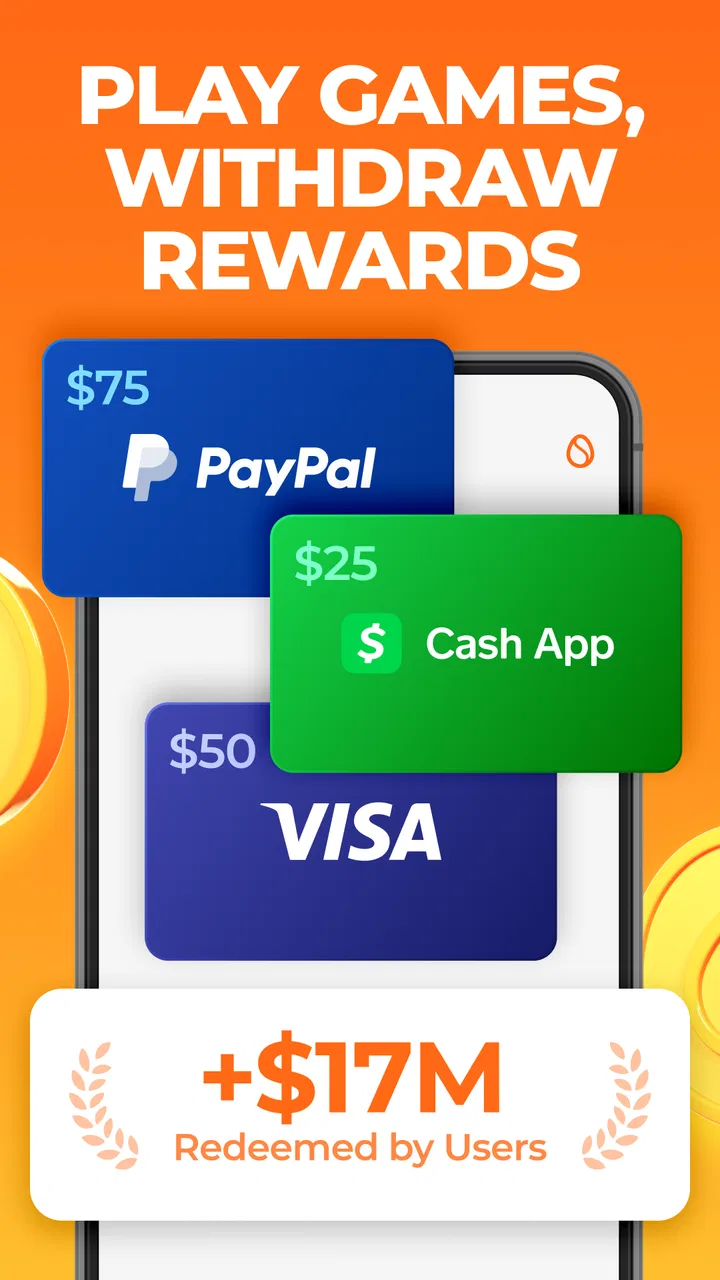
The store summary emphasizes instant cash-out, and that is clearly part of the app’s appeal. Still, I would make the cash-out process a checkpoint rather than an assumption. Before spending a long evening on one offer, I want to understand what the app presents as the relevant threshold and what steps it asks me to follow. The practical question is not simply whether a reward exists, but whether the route to receiving it fits my patience and usage habits.
I also recommend testing the complete cycle with a modest amount of effort first. That means choosing an accessible offer, monitoring how progress is displayed, and seeing how the app handles the final reward action before I commit to more ambitious goals. This approach gives me useful information about the experience without turning a casual activity into a large time investment. It is a more sensible test than judging the service only by its promotional wording.
Connectivity can affect this final stage too. A cash-out request is the moment when I most want a stable connection and a clear status message. I would avoid submitting it while moving between networks or when the phone is struggling to connect. If the screen does not update immediately, I would first allow time for the request to synchronize rather than repeatedly pressing buttons. That small bit of patience can prevent confusion.
Who will get the most from it
Scrambly suits people who already enjoy trying mobile games and are comfortable comparing options. It is especially appealing to casual players who like short sessions, want a reason to explore unfamiliar titles, and do not mind tracking requirements. The reward angle can make a waiting period or relaxed evening feel more purposeful, provided the user remains selective about which offers deserve attention.
It is less appropriate for someone seeking a single polished game with a deep story, competitive ranking, or carefully balanced progression. A conventional game is the better choice when the entertainment itself is the priority and rewards would only distract from it. I would also suggest skipping Scrambly if you dislike installing new games, have very limited storage or mobile data, or find task-based goals stressful.
There is a further trade-off for users who value privacy and simplicity in their app routine. Any rewards platform requires me to pay attention to how I use it, what I install, and which activities I associate with an offer. I do not want to rush through screens just because a reward is visible. Reading the conditions and making deliberate choices is part of using the app responsibly.
How it compares with ordinary entertainment apps
Compared with a standard casual game, Scrambly offers variety and a practical incentive, but it gives me less control over the overall experience. A normal game is designed around one consistent loop: I know what I am downloading and what kind of progress to expect. Here, the quality of the experience can vary from one available offer to another, so browsing and judgment become part of the product.
Compared with video or social entertainment, it asks more active attention. I cannot simply open it and consume content passively; I need to choose an offer, follow its conditions, and keep an eye on progress. The possible reward is the advantage, while the extra planning is the cost. For a person who wants effortless relaxation, a streaming app may be a better fit. For someone who enjoys experimenting with games, Scrambly has a more distinctive purpose.
Compared with other reward-oriented apps, its strongest point is the direct connection between discovering games and working toward a cash-out. Its weakness is the same connection: the experience depends on outside games, network communication, and the clarity of each individual offer. I would judge it offer by offer rather than assuming that every opportunity has equal value.
Small habits that improve the experience
I found three habits particularly useful. First, I choose an offer based on the early requirements, not on the headline reward alone. A smaller, clearer task can be a better use of time than a larger goal with many stages. Second, I keep a simple note of the game I started, the milestone I am pursuing, and when I last saw progress update. This prevents confusion when several games are available.
Third, I separate discovery from serious play. I browse and install while connected to Wi-Fi, then reserve longer sessions for a time when I can keep the phone stable and check the app afterward. This reduces the chance of mixing a poor connection with an important milestone. These steps do not change the reward rules, but they make the process easier to manage and help me notice quickly when an offer is not worth continuing.
I also recommend setting a personal stopping point. If a game is no longer enjoyable, if the requirements feel too demanding, or if progress remains unclear after a reasonable check, I move on instead of chasing sunk time. The app encourages exploration, so there is little reason to force myself through an offer that does not fit. The best result comes from protecting my time first and treating rewards as a bonus.
My final view on Scrambly
Scrambly is a convincing idea for casual mobile players who want to discover games while pursuing rewards. I like that it gives ordinary spare time a clearer purpose, and the free entry makes experimentation straightforward. The developer, Scrambly, has positioned it in entertainment rather than presenting it as a conventional standalone game, and that is the right way to understand it.
My recommendation comes with conditions. Use a reliable connection when browsing, installing, checking milestones, and cashing out. Prefer Wi-Fi when several games or updates are involved, read each offer before starting, and do not treat possible earnings as guaranteed income. If you enjoy trying different games and can accept a little tracking, Scrambly: Play to Earn Money is worth exploring. If you want uninterrupted offline play, one focused game, or completely predictable progress, a traditional entertainment app will probably serve you better.
Overall, I see it as a useful companion for deliberate, occasional gaming rather than something to run constantly in the background. Its strongest experience comes from short, planned sessions on a dependable network, with realistic expectations about time and reward. Used that way, it offers a distinctive alternative to ordinary mobile entertainment without asking me to pretend that every offer will be equally worthwhile.
FAQs for Scrambly: Play to Earn Rewards
01What is Scrambly: Play to Earn Money and how does it work?
Scrambly: Play to Earn Money is a mobile app designed to reward users with real money for playing games and completing various in-app tasks. Users engage in different challenges, earn points, and can convert these points into cash rewards. The app offers a unique blend of entertainment and earning potential, making it a popular choice for casual gamers looking to monetize their gaming time.
02Is Scrambly: Play to Earn Money free to use?
Yes, Scrambly: Play to Earn Money is free to download and use. While the app itself doesn’t require any upfront payment, it may offer optional in-app purchases or advertisements. Users can choose to engage with these options to enhance their experience or increase their earning potential, but it’s not necessary to enjoy the core features of the app.
03How can I redeem my earnings from Scrambly?
Earnings on Scrambly are accumulated in the form of points, which can be redeemed for real money once a certain threshold is reached. Users typically can transfer their earnings via PayPal or choose from other available payout options. It’s important to check the app’s specific redemption policies to understand the minimum withdrawal limits and processing times.
04Is Scrambly: Play to Earn Money available for both Android and iOS devices?
Yes, Scrambly: Play to Earn Money is available for both Android and iOS devices. Users can download the app from the Google Play Store for Android devices or the Apple App Store for iOS devices. Regular updates are provided to enhance functionality and ensure compatibility with the latest operating system versions.
05Is it safe to use Scrambly: Play to Earn Money?
Scrambly: Play to Earn Money is generally considered safe to use, provided users download it from official app stores. The app is subject to standard security protocols and privacy policies, but users should always be cautious with any app that involves monetary transactions. It's recommended to read user reviews and check the app's permissions and privacy settings for additional peace of mind.
Pros
- Easy to navigate interface
- Engaging and addictive gameplay
- Offers real monetary rewards
- Frequent updates enhance features
- Supports multiple languages
Cons
- Requires internet connection
- Ads can be intrusive
- Limited withdrawal options
- Earning potential is slow
- Some features are behind paywalls

Scrambly: Play to Earn Rewards
Gallery